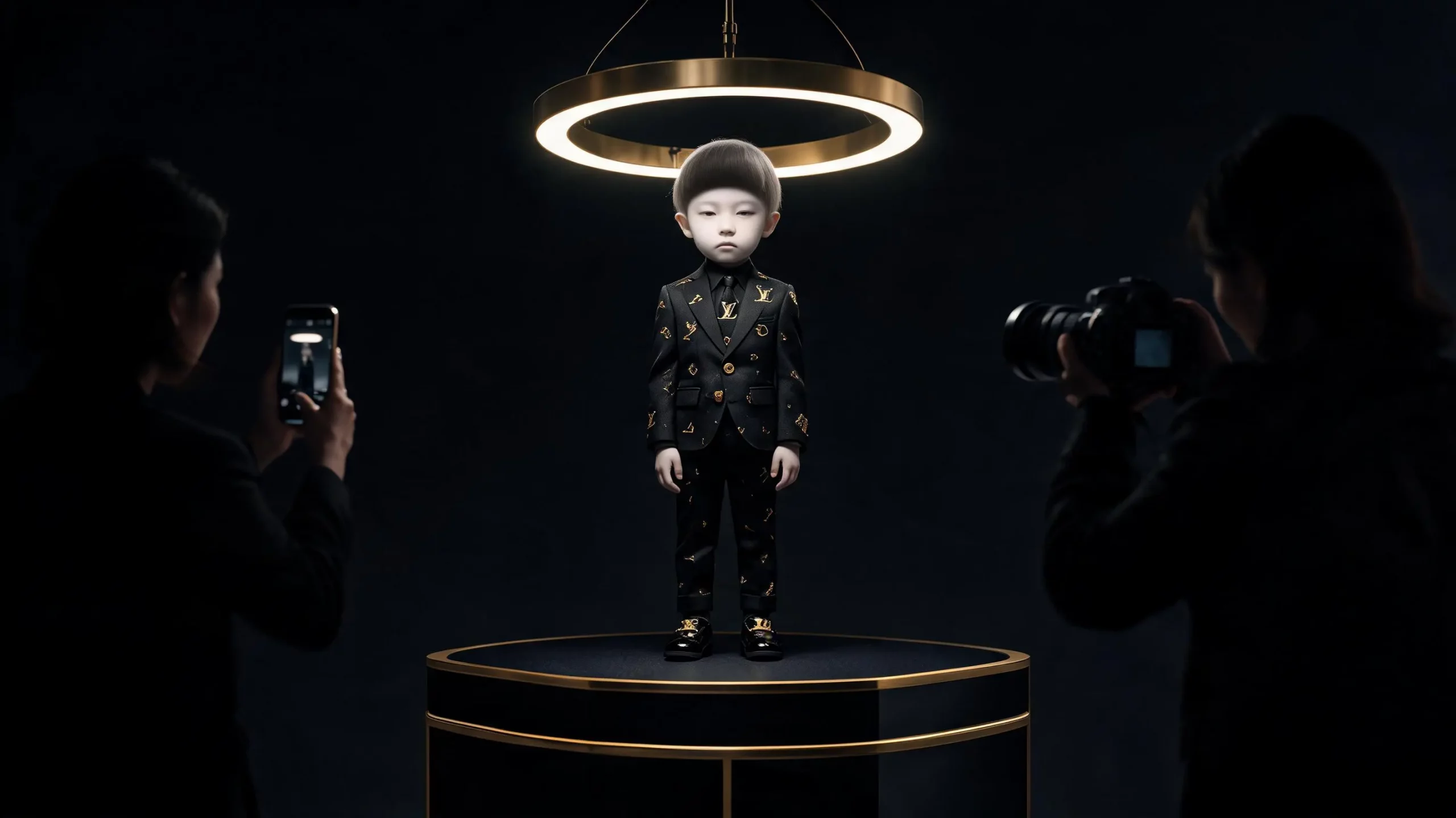

Subject: Dopamine Dependency and the Commodity Child
Clinical Diagnosis: Reason №11 from the «Britny» Virus protocol. This is the systematic transformation of a human being into an «approval junkie.» The parents here function as high-level drug dealers, using affection as a strictly regulated narcotic.
The Mechanism of Emotional Trafficking: The «product» in this household is not love, but validation. It is never given freely; it is earned through performance.
- The Reward Cycle: A gold medal equals a «hit» of parental warmth. A championship win equals a dopamine spike—today, the subject is «loved».
- The Withdrawal: A second-place finish results in an immediate supply cut. The child is left in a state of emotional «cold turkey,» forced to associate failure with worthlessness.
Marketing the Dopamine Seesaw: The subject’s brain develops a rigid neural pathway: «I am inherently worthless. My value exists only in the reflection of someone else’s applause».
- The Rat Race for Cookies: The child loses interest in the craft—be it physics, music, or sport. They are no longer creating; they are meeting a production quota to secure their next dose of parental dopamine. Without the external «Well done!», they experience themselves as a «useless piece of meat».
- The Abstinance Syndrome: When the subject enters the real world—where the public is indifferent—the withdrawal is brutal. They lack an internal compass. If a boss doesn’t grant a «Slave of the Month» award or social media doesn’t provide «likes,» the subject spirals into depression. They literally «itch» from the lack of recognition.
- Love as a Conditional Reflex: This is the ultimate crime against the psyche. By making love conditional («I love you IF you are first»), the parent-dealer breeds a functional slave. This adult will spend their life searching for a «master» to praise them, working themselves to exhaustion and financing status symbols just to feel «seen».
The «Paul Rodgers» Verdict: Parent-dealers do not raise successful individuals; they raise high-functioning addicts. A child hooked on the needle of approval will never become a creator, because a creator must be able to stand against the tide and ignore the crowd. The «junkie» always follows the loudest applause.
Conclusion: If you treat your child’s affection like a KPI-based bonus, you are not a parent; you are a commodity broker. You aren’t giving them a foundation; you are stealing their internal spine and replacing it with the crutches of your own validation. At 30, they will have the house and the car, but zero happiness—because the dealer has left, and the hunger for the «hit» remains.