
You’ve probably noticed this moment.
They used to argue. Throw tantrums. Say «I don’t want to.» Stomp their feet. Cry. Demand explanations.
And then — at some point — all of that stopped.
They became obedient. Calm. They agree to everything. No objections. No questions. They just do it.
And you exhaled.
Finally. They’ve matured. They understand now. They’ve become more serious.
But here is the question that almost no one asks themselves in that moment.
What if they didn’t mature? What if they simply gave up?

There is an enormous difference between a child who agrees — and a child who stopped resisting.
Agreement means there is a «yes» inside.
Surrender means there has been no strength left to say «no» for a long time.
On the outside they look identical. The same words. The same behavior. The same compliance.
But inside — completely different states.
In one case the child is with you.
In the other — they are simply too tired to fight.

How do you tell the difference?
Ask them a question. Unexpected. Out of context.
Ask — what do you actually want? Not about the class. Not about homework. Just — what do you want right now?
Watch their reaction.
If they come alive — start talking, imagining, dreaming — they are with you.
If they look at you with confusion and say «I don’t know» or «I don’t care» — that is not indifference.
That is a signal.
A person who is okay knows what they want. Even a child. Especially a child.
When they don’t know — it means that desire was suppressed for so long it stopped showing signs of life.

You might object.
They say everything is fine. That they like it. That they don’t mind.
Yes.
But think back — have you ever said «everything is fine» when it really wasn’t?
Simply because you didn’t want to explain. Or you knew the explanation would lead nowhere. Or you were tired of conversations that always ended the same way.
Your child does the same thing.
Only they do it earlier. Faster. Because they have fewer resources to resist.
And because they love you. And don’t want to see you upset.
Their silence is not acceptance. It is protection. For you and for them at the same time.

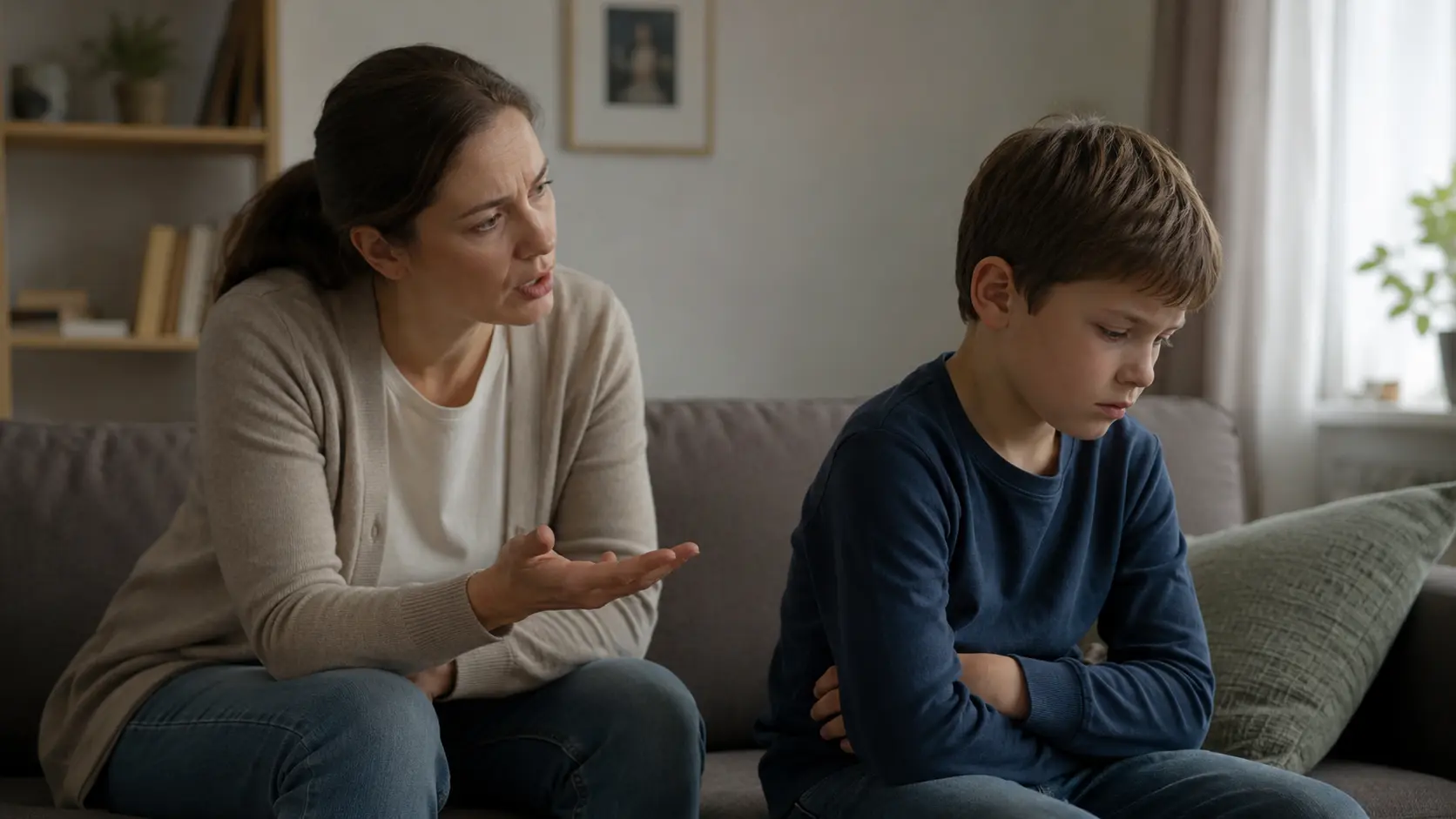
A silent child is not a calm child.
It is a child who learned that their voice doesn’t matter.
And that belief — once formed — travels with them into adult life.
They grow into a person who doesn’t know how to say no.
Who accepts a job that is destroying them.
Who stays in relationships that are tearing them apart.
Who cannot ask for help — because they learned long ago that their requests are ignored.
None of this begins in adulthood.
All of it begins at the kitchen table. In the car after a lost competition. In the moment when you decided that their silence meant consent.

The most painful part of this story is this.
They are silent precisely because they love you.
Not because they don’t care. Not because they have accepted their fate.
But because they see how much you invest. How much you sacrifice. How much you hope.
And they cannot destroy that.
They take your dream — and carry it. In silence. Smiling for the camera. Walking onto the stage. Winning competitions.
While inside — there is a completely different person. One who just wanted to play with dolls. Or kick a ball around. Or simply lie down and stare at the ceiling.
But that person learned long ago to stay quiet.
You love your child.
And that is exactly why it matters to learn how to hear not only their words.
But their silence.
Because silence sometimes speaks louder than any cry.
In the book «45 Reasons Not to Let Your Child Become ‘Britney'» we explore how conditional love is formed — and why a child begins to go silent precisely when they are hurting the most.
And how that silence becomes the beginning of a long road — that ends somewhere very different from where you planned.